
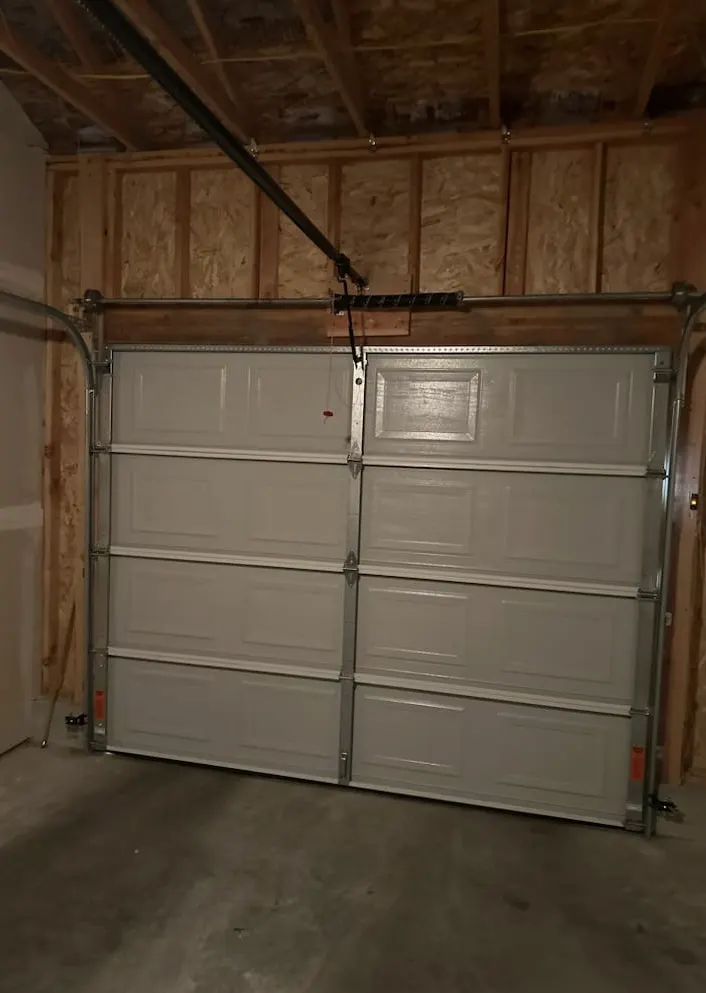
The Mistake Most People Make First
Here's how the argument usually starts: the power bill comes in higher than expected, and someone says, "It's not the garage, the garage isn't even air conditioned." That logic feels airtight. No vents running into the garage, no thermostat on that wall, so how could it cost anything? It's a tempting conclusion because it matches what you can see. What it misses is everything you can't see: shared walls, shared ductwork, and a door big enough to drive a truck through that's doing a bad job sealing out the Florida heat.
How an Unconditioned Garage Still Drains Your Budget
In a lot of homes in this area, the garage shares at least one wall with living space, and sometimes a bonus room or laundry room sits directly above or beside it. If your garage door isn't sealing well, that garage turns into a heat trap during the long, humid Panhandle summer and a cold box during the occasional winter cold snap. That heat or cold doesn't stay politely on its side of the wall. It moves through drywall and insulation into the rooms next door, and your HVAC system works harder to compensate.
It gets worse if your air handler or ductwork runs through the garage, which is common in this region. A leaky door means that equipment is sitting in superheated summer air or chilly winter air instead of a stable environment, and every time it cycles, it's fighting the garage's temperature instead of your house's.
Where the Leaks Actually Hide
- Bottom seal: the rubber strip along the floor cracks, flattens, or pulls away after a few years of heat and UV exposure.
- Side and top weatherstripping: often brittle, chewed by rodents, or simply missing in older installs.
- Panel gaps: afternoon downpours swell wood or composite panels, then the sun dries and shrinks them again, which opens small gaps over time.
- Off-track or warped doors: if the door isn't closing flush in its frame, no amount of new weatherstripping fixes the real problem.
A Five-Minute Proof Test
Settle the argument without guessing. On a hot afternoon, go stand inside the closed garage and look for daylight around the edges of the door. Run your hand along the bottom seal and feel for airflow. Check the laundry room or any room sharing a wall with the garage and compare its temperature to the rest of the house. If your water heater or HVAC unit lives in the garage, touch the wall near it; if it's noticeably warmer or cooler than other interior walls, that's your answer.
Fixes, Ranked by Effort
- Replace weatherstripping: the cheapest fix, usually a same-day job, and often solves 80% of the draft.
- Replace the bottom seal: inexpensive and high-impact, especially after storm season has had a chance to beat it up.
- Address panel damage: swollen, cracked, or rusted panels (common here thanks to moisture and humidity) need replacing rather than patching, or the seal will never hold.
- Fix track alignment: an off-track door can't close flush no matter how good the seals are, so this has to be corrected first if it's the issue.
- Full tune-up: springs, rollers, and closing force all affect whether the door seats properly every single time it closes.
When to Call Baker Garage Door Repair
If your proof test turned up daylight, a drafty bottom seal, or a door that just doesn't sit right in its frame, it's worth having it looked at before next summer's heat or the next cold snap moves through. Baker Garage Door Repair handles Off Track Door Repair for doors that won't close flush, and Garage Door Tune-Up & Maintenance to check seals, balance, and closing force so the whole system works together instead of leaking energy in both directions. We'll tell you straight whether you need new weatherstripping or something more, no upsell.
If you're in Baker, Crestview, Holt, Milligan, Laurel Hill, Mossy Head, Defuniak Springs, or Niceville and ready to stop guessing about where your energy bill is going, give Baker Garage Door Repair a call. We'll get your door sealing right and settle the argument for good.